
Issue 01 | South Korea
Three Korean-inspired meals for energy, metabolic health, and healthy ageing
Certain places stay with you long after you've unpacked your suitcase.
South Korea was one of them.
After spending time in Seoul and Busan, I came home thinking about the food just as much as the places we'd visited. The colourful markets, the little restaurants tucked into side streets, the beautifully presented meals, and the way something as simple as rice, vegetables, and an egg could feel so satisfying.
What I loved most was the variety. Fermented vegetables, seaweed, colourful produce, rice, eggs, and protein-rich dishes showed up in so many different combinations.
As a holistic nutrition coach, I couldn't help looking at those meals through another lens. What are these ingredients providing? How do they support our bodies as we age? And how can we bring some of those traditions into everyday life without spending hours in the kitchen?
That's where this new series comes in.
Around the World in 15 Minutes brings together two things I love: discovering the world through food and understanding how nutrition shapes our long-term health. Every Wednesday, I'll share three globally inspired recipes that are simple, nourishing, high in protein, and realistic for busy schedules.
This week, we're starting in South Korea.
Three meals. Fifteen minutes each. And a little science behind why they're good for you.
Quick tip: Every recipe here assumes cooked rice is ready to go. Cook a batch on Sunday, cool it promptly, and refrigerate it for the week.
01 | breakfast
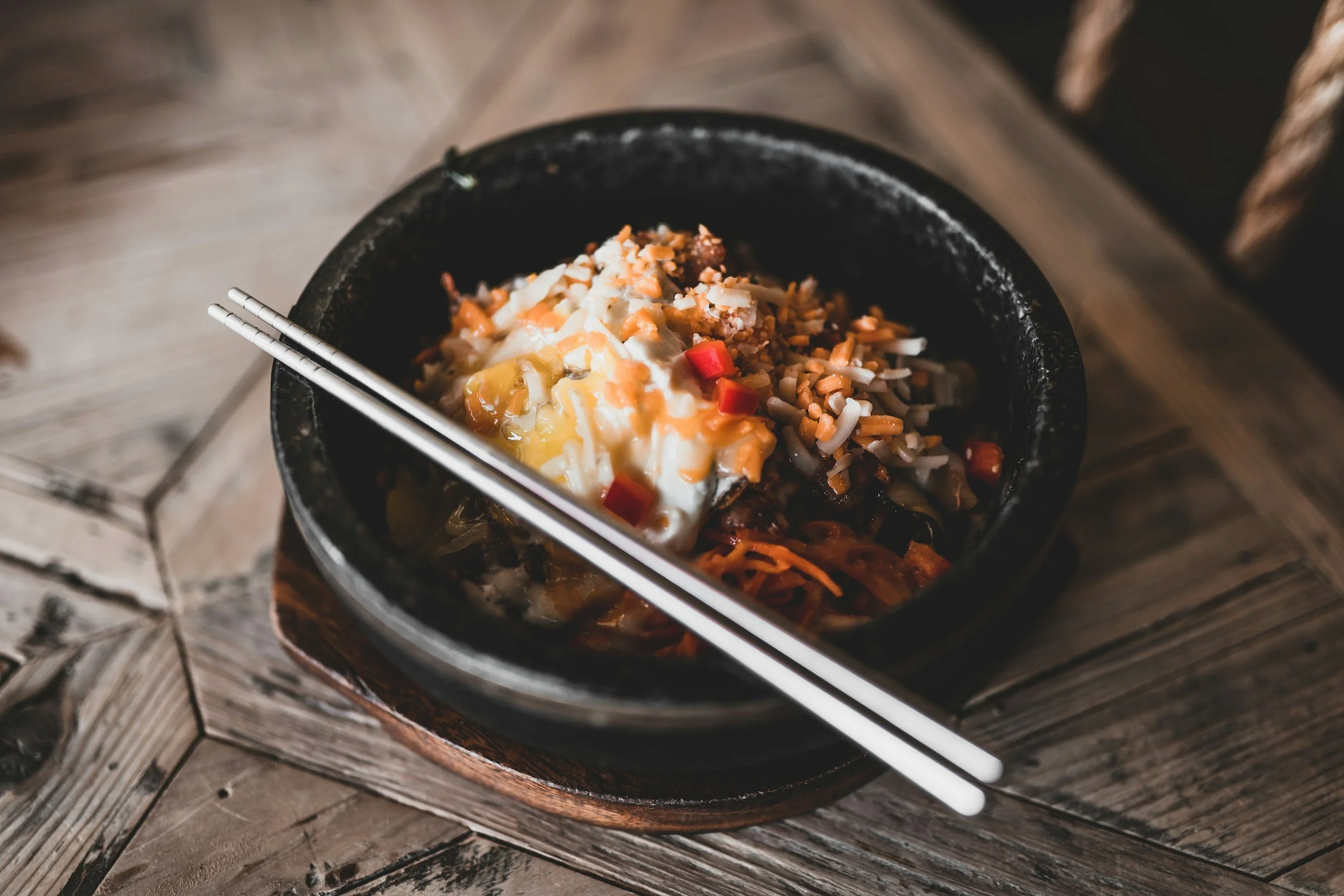
Korean-inspired egg & vegetable rice bowl
15 minutes | Serves 1 | Protein-rich
There's something so comforting about a warm bowl of rice topped with an egg, colourful vegetables and a little spice.
Inspired by the breakfast flavours I enjoyed exploring in South Korea, this is my take on a simple Korean rice bowl. It's nourishing, satisfying and packed with ingredients that support energy, gut health and healthy ageing.
ingredients
¾ cup cooked rice
1 large egg
½ cup liquid egg whites
¼ cup kimchi
¼ cup shredded carrots
¼ cup sliced mushrooms
¼ cup bean sprouts
¼ cup baby spinach
1 teaspoon sesame oil
1 teaspoon reduced-sodium tamari
1 teaspoon sesame seeds
1 green onion, finely sliced
Optional: ½ teaspoon gochujang for a little heat
method
Warm the cooked rice until steaming hot and transfer it to a serving bowl.
Heat half the sesame oil in a non-stick pan over medium heat. Add the mushrooms, carrots, bean sprouts and spinach. Sauté for 3–4 minutes until tender.
Remove the vegetables and add the remaining sesame oil to the pan.
Cook the egg and egg whites to your preferred consistency.
Arrange the vegetables over the rice, followed by the egg, kimchi and a little gochujang.
Finish with tamari, sesame seeds and sliced green onion.
nutrition at a glance
Approximate per serving, without the optional gochujang.
Calories: 385
Protein: 26 g
Carbohydrates: 43 g
Fat: 12 g
Fibre: 3–4 g
the wellness edit
Gut health | Brain health | Metabolic health | Healthy ageing
Eggs for brain health and muscle preservation. Eggs provide choline, an essential nutrient involved in memory, nervous system function and cell membrane health. Combining a whole egg with egg whites increases protein intake, helping support muscle maintenance and recovery.
Kimchi for gut health. Traditionally fermented kimchi can provide live microorganisms, depending on how it's processed and stored. It also contributes vegetables and plant compounds that add variety to your diet.
Colourful vegetables for cellular health. Carrots provide beta-carotene, spinach contributes folate, and mushrooms contain various micronutrients and antioxidant compounds. Eating a variety of vegetables helps support overall nutrient intake and long-term health.
Protein and fibre for metabolic health. Combining protein, vegetables and carbohydrates creates a balanced meal that supports satiety and provides fuel for the day. Dietary fibre also contributes to digestive health and can help moderate the post-meal glucose response.
Sesame oil and cardiovascular health. Sesame oil contains predominantly unsaturated fats. Replacing some saturated fats with unsaturated fats can help support healthier LDL cholesterol levels over time.
amanda's note
I love how adaptable this breakfast is. Use whatever vegetables you have in the refrigerator, add extra egg whites for more protein or swap white rice for brown rice if you'd like more fibre.
It's a little reminder that eating well doesn't have to be complicated, and that some of the most nourishing meals are often the simplest.
02 | lunch
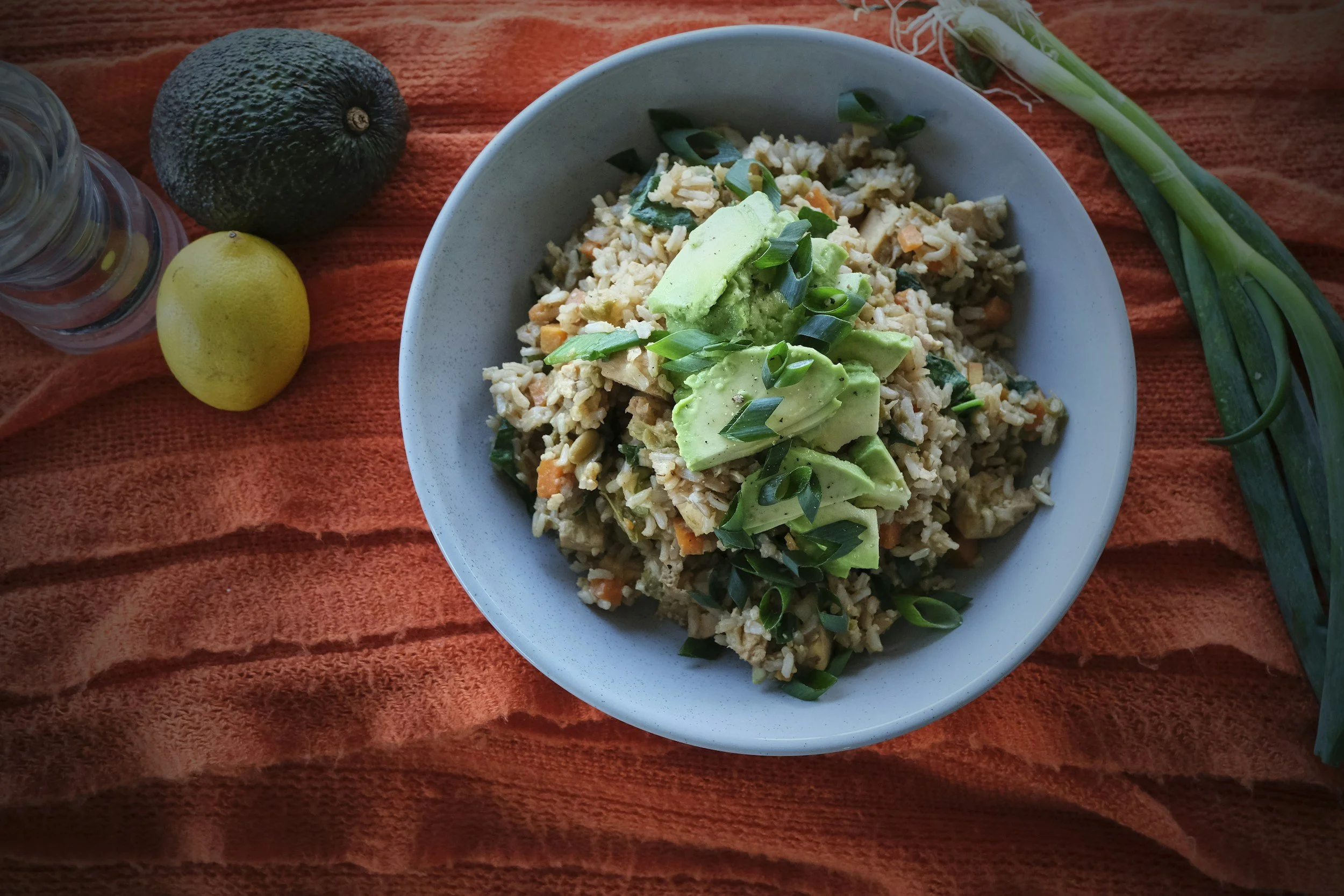
Korean-inspired sesame tuna & avocado rice bowl
15 minutes | Serves 1 | Protein-rich
Some of my favourite meals are the ones that come together with just a handful of ingredients.
This Korean-inspired rice bowl combines tender tuna, warm brown rice, creamy avocado, colourful vegetables, and a savoury sesame dressing.
It's simple, satisfying, and full of nutrients that support heart health, metabolic function, and healthy ageing.
And the best part? It takes just 15 minutes to prepare.
ingredients
For the bowl
¾ cup cooked brown rice
1 can (120 g drained) light tuna in water
¼ avocado, sliced
¼ cup finely diced carrots
½ cup baby spinach, roughly chopped
1 green onion, thinly sliced
1 teaspoon sesame seeds
For the sesame dressing
1 teaspoon sesame oil
1 teaspoon reduced-sodium tamari
1 teaspoon rice vinegar
½ teaspoon freshly grated ginger
Optional: a pinch of gochugaru (Korean chilli flakes)
method
Warm the cooked brown rice until steaming hot.
Heat a non-stick skillet over medium heat. Add the carrots and spinach with a splash of water and sauté for 2–3 minutes until softened.
Add the drained tuna and warm gently.
In a small bowl, whisk together the sesame oil, tamari, rice vinegar, and ginger.
Combine the rice, tuna, and vegetables with the dressing.
Transfer to a serving bowl and top with sliced avocado, green onions, and sesame seeds.
Serve warm, with a little extra gochugaru if you enjoy some heat.
nutrition at a glance
Approximate values per serving, depending on brands and ingredients.
Calories: 460
Protein: 38 g
Carbohydrates: 44 g
Fat: 16 g
Fibre: 7–8 g
the wellness edit
Cardiovascular health | Cholesterol | Metabolic health | Healthy ageing
Avocado for heart health and cholesterol
Avocados are rich in monounsaturated fats, particularly oleic acid, the same type of fat found in olive oil.
Replacing saturated fats with unsaturated fats can help lower LDL cholesterol, an important factor in cardiovascular health.
Avocados also provide dietary fibre and potassium, which contribute to healthy digestion and normal blood pressure regulation.
Tuna for muscle preservation and healthy ageing
Tuna is an excellent source of complete protein, providing all nine essential amino acids needed for muscle maintenance and repair.
As we age, preserving skeletal muscle becomes increasingly important for strength, mobility, insulin sensitivity, and long-term independence.
Tuna also contains vitamin B12, important for nervous system function and red blood cell production, and selenium, which supports normal thyroid function and antioxidant enzyme activity.
Brown rice and vegetables for metabolic health
Brown rice provides carbohydrates for energy, along with fibre and minerals.
Pairing carbohydrates with protein, fibre-rich vegetables, and unsaturated fats creates a balanced meal that supports satiety and can help moderate the post-meal glucose response.
The spinach contributes folate, while carrots provide beta-carotene, which the body can convert into vitamin A.
Sesame and ginger for everyday nourishment
Sesame oil and sesame seeds contribute unsaturated fats and plant compounds, including lignans.
Ginger contains naturally occurring compounds called gingerols, which are being studied for their antioxidant and anti-inflammatory properties.
While no single ingredient can prevent chronic disease, regularly including a variety of plant foods and healthy fats supports an overall dietary pattern associated with better long-term health.
amanda's note
I love meals like this because they prove that eating well doesn't need to be complicated.
It's the kind of lunch I can throw together between appointments, after a workout or on a day when life feels particularly busy.
For an extra boost of omega-3 fatty acids, swap the tuna for salmon. EPA and DHA omega-3s are particularly relevant to cardiovascular health.
And if you're looking to increase your fibre intake, add edamame, shredded cabbage, or extra leafy greens.
Small choices, repeated consistently, are what make the biggest difference over time.
Food safety note: Use properly refrigerated cooked rice and reheat thoroughly. For regular tuna consumption, choose lower-mercury canned light varieties and vary your seafood choices.
03 | dinner
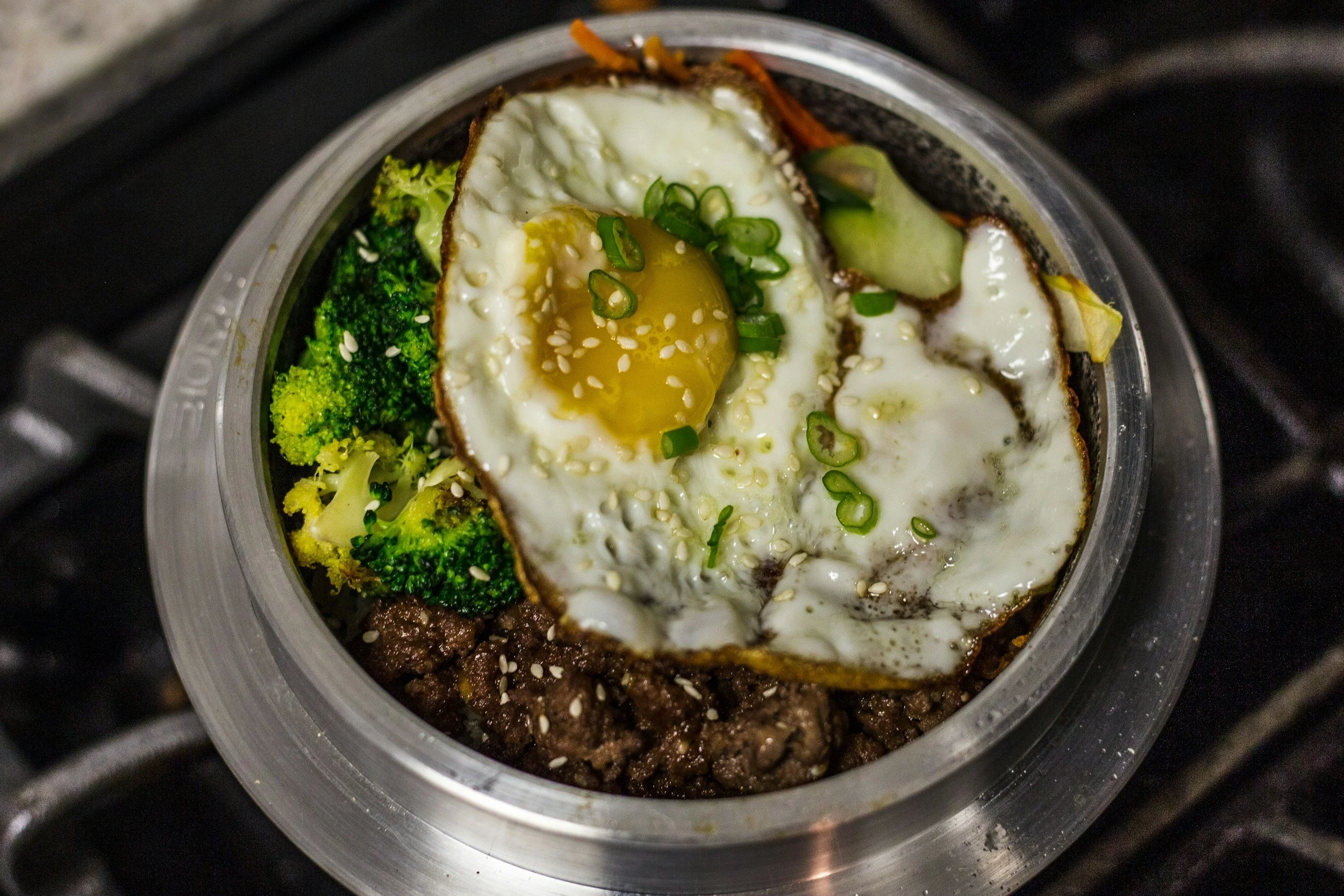
15-minute beef bibimbap
15 minutes | Serves 1 | Protein-rich
There's something about bibimbap that perfectly captures what I loved about eating in South Korea. Simple ingredients, beautiful colours, different textures, and a meal that feels as nourishing as it is satisfying.
Traditionally served with rice, vegetables, protein, and a little heat, bibimbap is one of those dishes that can be adapted endlessly depending on what you have in your refrigerator.
This is my simplified version for busy evenings, with lean beef, colourful vegetables, warm rice, and a perfectly cooked egg.
It's a wonderful example of how a balanced meal can support muscle preservation, metabolic health, and healthy ageing without requiring hours in the kitchen.
ingredients
For the bowl
120 g extra-lean ground beef
¾ cup cooked rice
1 large egg
½ cup small broccoli florets
½ cup baby spinach
¼ cup shredded carrots
¼ cup sliced mushrooms
1 green onion, finely sliced
1 teaspoon sesame oil
1 teaspoon reduced-sodium tamari
1 teaspoon sesame seeds
For the sauce
1 teaspoon gochujang (Korean chilli paste)
1 teaspoon rice vinegar
1 teaspoon water
Optional: a pinch of gochugaru for extra heat
Choose certified gluten-free gochujang and tamari if you're avoiding gluten.
method
Prepare the rice. Warm your cooked rice until steaming hot and transfer it to a serving bowl.
Cook the beef. Heat a non-stick skillet over medium-high heat. Add the ground beef and cook for approximately 5–6 minutes, breaking it apart until fully browned and cooked through. Stir in the tamari.
Prepare the vegetables. While the beef cooks, microwave or steam the broccoli with a splash of water for 2–3 minutes until tender-crisp. Quickly sauté the spinach, carrots, and mushrooms in a separate pan or after removing the beef.
Cook the egg. Heat the sesame oil in a non-stick pan and cook the egg to your preferred consistency.
Make the sauce. Stir together the gochujang, rice vinegar, and water until smooth.
Assemble your bowl. Arrange the beef and colourful vegetables over the warm rice. Place the egg in the centre.
Finish and serve. Add the sauce, sesame seeds, and green onion. Mix everything before eating, as is traditionally done with bibimbap.
The 15-minute preparation time assumes the rice is already cooked and the vegetables are washed and ready to use.
nutrition at a glance
Approximate values per serving, using extra-lean ground beef.
Calories: 550
Protein: 38 g
Carbohydrates: 46 g
Fat: 23 g
Fibre: 4 g
the wellness edit
Healthy ageing | Cardiovascular health | Metabolic health | Muscle preservation
Lean beef for iron, energy, and oxygen transport
Beef is a valuable source of heme iron, the form of iron that's generally more readily absorbed than non-heme iron from plant foods.
Iron plays an essential role in producing haemoglobin, the protein in red blood cells responsible for transporting oxygen throughout the body.
Adequate iron is particularly important for menstruating women, athletes, and individuals with increased iron requirements.
Beef also provides vitamin B12, which supports nervous system function and red blood cell production, along with zinc, an essential mineral involved in immune function, tissue repair, and protein synthesis.
Colourful vegetables and cellular health. Carrots provide beta-carotene, which the body converts into vitamin A. Spinach contributes folate and other micronutrients, and mushrooms add their own nutrients and plant compounds. Eating a wide variety of vegetables increases fibre and plant-compound diversity, patterns linked with better long-term health as part of an overall balanced diet.
Protein, muscle, and longevity. Preserving muscle is one of the most important nutrition and movement priorities as we get older. Skeletal muscle supports strength, mobility, independence, and blood sugar regulation. Adequate protein, combined with progressive resistance training, helps maintain and build it.
A note on heart health. Lean beef can fit into a balanced diet, but choosing lean cuts and varying your protein sources matters. For people managing elevated LDL cholesterol, replacing some red meat with legumes, soy foods, or fish may help improve overall dietary fat quality.
Amanda's note
One thing I love about bibimbap is how adaptable it is. Use tofu instead of beef, add extra vegetables, switch to brown rice, or make a larger portion after a particularly active day. For a 40 g+ protein dinner, increase the beef to 150 g.
It's also a brilliant way to use up vegetables already sitting in your refrigerator.
the bigger picture
Eating for longevity, one meal at a time
Today's three meals add up to roughly 100 g of protein, spread evenly across the day, plus fermented foods, colourful vegetables, and mostly unsaturated fats.
When we talk about healthy ageing, it's easy to get caught up in supplements, skincare, and the latest wellness trends. But some of the most meaningful things we can do for our long-term health are surprisingly ordinary.
Eating enough protein. Getting a variety of plants. Choosing unsaturated fats more often. Supporting healthy cholesterol and blood pressure. Maintaining muscle. Moving regularly. Sleeping well.
And perhaps most importantly, finding a way to do those things consistently.
No single ingredient is going to reverse ageing, balance every hormone, or prevent disease. But the dietary patterns we repeat over the years can influence our heart health, metabolic function, and ability to stay strong and active as we age.
That's what I love about exploring food from different cultures. There's so much to learn from the ingredients, traditions, and ways people put meals together. And sometimes a simple bowl of rice, vegetables, and protein is a lovely place to start.
A little note from me
After more than 20 years working in aviation, I've learned that life doesn't always happen on a predictable schedule. Between travel, family, work, and everything else, I know how easy it is to put our own nutrition last.
That's a big part of why I do what I do. I help people build realistic nutrition habits that support fat loss, muscle preservation, metabolic health, and long-term wellbeing, without their lives having to revolve around a meal plan.
If you'd like a more personalized approach, The Nutrition Edit is my 90-minute consultation and individualized nutrition plan, designed around your health goals and everyday life.
Until next Wednesday,
Amanda
Nutrition & Wellness Coach
A note on the recipes
These recipes are Korean-inspired adaptations, not claims of traditional authenticity. Nutrition values are estimates based on standard food database values and will vary with brands and portions. The 15-minute preparation time assumes cooked rice is ready to use. This article is for general nutrition education and isn't a substitute for individualized medical advice.
