
How Do I Eat Well When My Schedule Is Completely Unpredictable?
By Amanda Normore, Nutrition and Health Coach, PN1. Updated November 2026.
Quick answer: You can eat well on an unpredictable schedule by swapping a rigid meal plan for a few flexible anchors. Include protein at most meals, keep three or four reliable meals in rotation, use snacks to bridge long gaps, and plan for the days that usually fall apart. Judge your eating across the week rather than meal by meal.
I know this one firsthand. I spent years working in aviation, so unpredictable schedules were simply normal life: early mornings, late nights, airports, hotel rooms, changing time zones, delays, and meals at very strange hours. When I moved into nutrition coaching, I saw how common this problem is.
You don't have to work in aviation to have a schedule that never looks the same twice. Maybe you travel for work, work long days or shifts, or spend your week juggling kids, appointments, and meetings. One of the most common things people tell me is some version of this: I know what healthy eating looks like. I just can't make it work consistently. For many people, the issue isn't a lack of nutrition information. It's finding a way to use it in the life they actually have.
Why do rigid meal plans fall apart when your schedule changes?
A structured meal plan can look great on paper: breakfast at 7:30, lunch at noon, dinner at 6. Then a meeting runs late, your flight is delayed, or a child needs to be across town, and suddenly it's 4 p.m., and you haven't eaten since breakfast.
That doesn't mean you failed. It usually means the plan wasn't flexible enough for the week you really had. When life changes constantly, I'd rather give you a few things to return to than a schedule you're always trying to keep up with.
What is the best way to eat well when your schedule changes every day?
Build anchors instead of following a perfect schedule. An anchor is a simple habit you can return to, whatever the day looks like. For most people, protein is a good first choice.
That might look like:
Greek yogurt, cottage cheese, or a dairy-free option that works for you
Chicken, fish, turkey, tofu, tempeh, beans, or lentils later in the day
A protein shake when a full meal genuinely isn't realistic
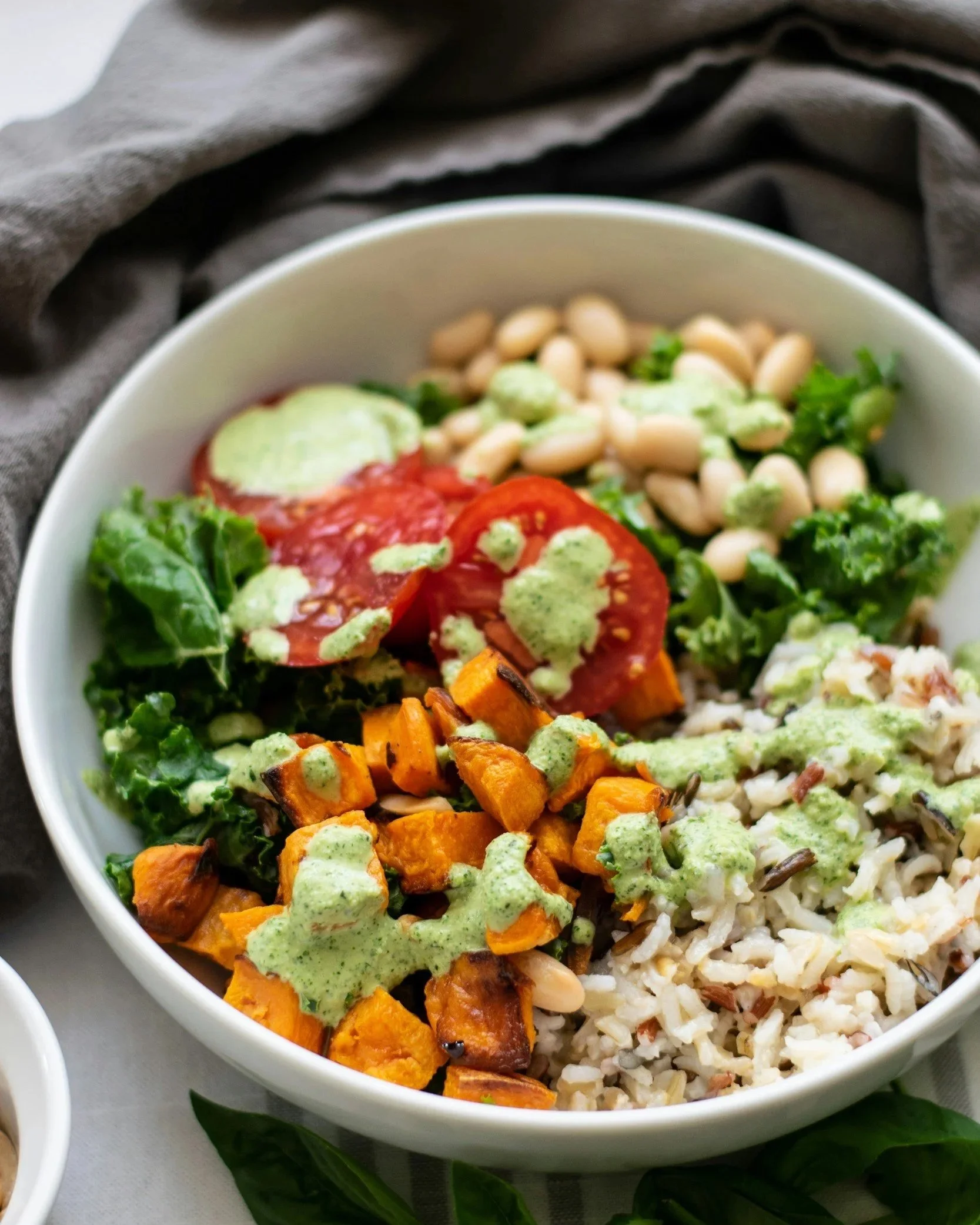
The goal isn't to eat perfectly. It's to make the next reasonable choice easier.
How many reliable meals do you need?
Most busy people do better with three or four meals they like, know how to make, and know make them feel good, rather than a brand-new recipe every night. For example:
Breakfast: eggs, toast, and fruit
Lunch: a rice bowl with protein, vegetables, and a sauce you love
Dinner: salmon and potatoes, turkey chili, pasta with a protein-rich sauce, a tofu bowl, or a sheet-pan dinner
The foods can change while the basic structure stays the same. I learned that from both travelling and coaching. The city, the restaurant, and the menu change, but you can look for the same general things: protein, some plants, a carbohydrate that works for you, a little fat, and something you actually want to eat. Food still has to taste good.
What should you eat between meals when your day runs long?
A lot of food decisions go sideways hours before dinner. Breakfast gets skipped because you're rushed, lunch gets pushed because you're busy, and by late afternoon, you're ravenous. At that point, the balanced dinner you planned six hours ago isn't very appealing.
A simple snack can act as a bridge from one proper meal to the next, so you don't arrive completely depleted. Good options include:
Fruit and nuts
Yogurt
Hummus and vegetables
A boiled egg
A protein shake or a protein bar you genuinely like
Sometimes that small bit of planning changes the whole rest of the day.
How do you eat well when you're travelling or eating out?
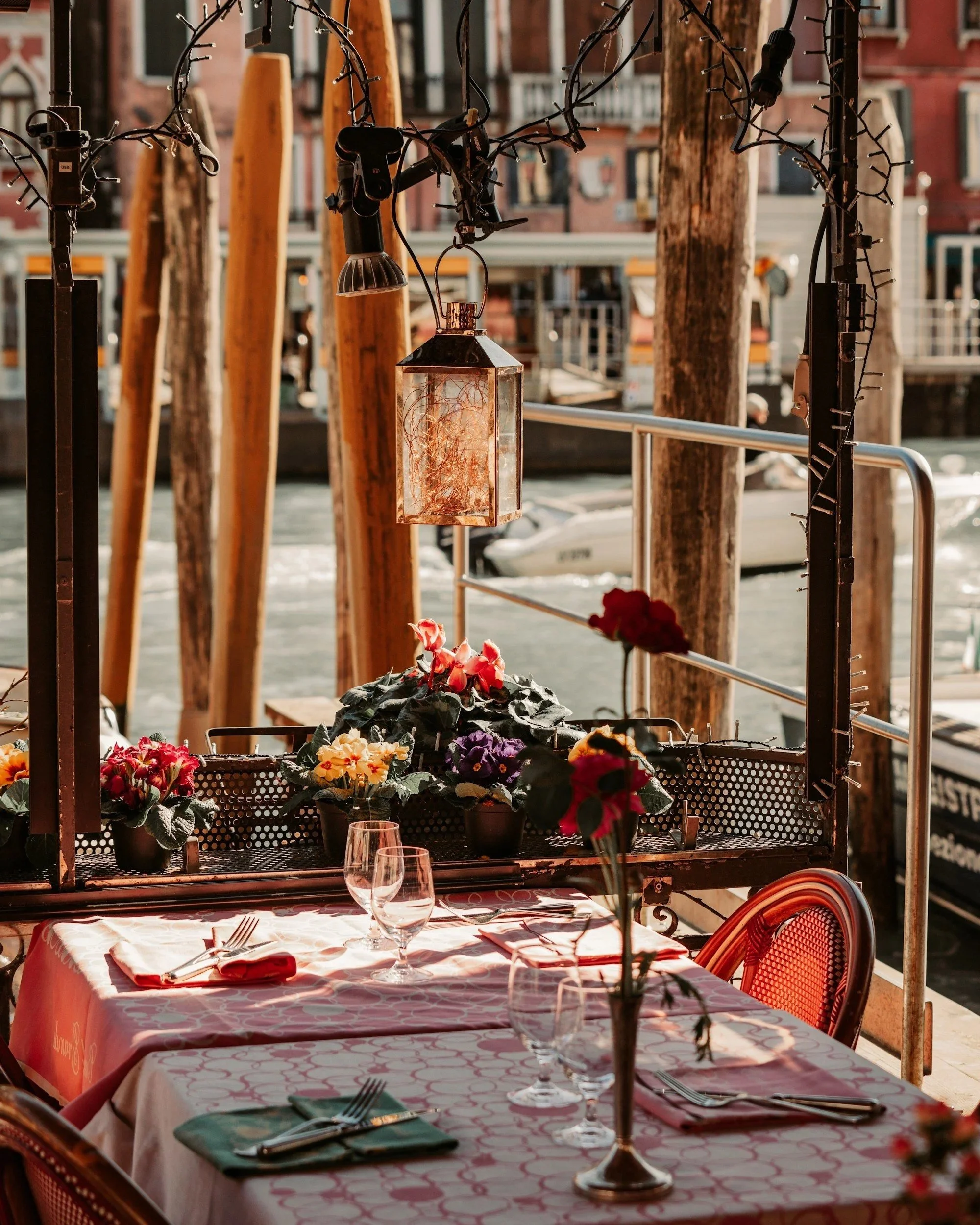
You don't need to recreate your home kitchen everywhere you go. That gets exhausting quickly. When I was working in aviation, I learned that eating well away from home wasn't about finding the perfect restaurant. It was about knowing what I was generally looking for.
At breakfast, eggs are usually easy to find. At lunch or dinner, I look for a protein source, some vegetables, and a carbohydrate that sounds good. Instead of searching a menu for the lowest-calorie option, ask yourself:
Where's my protein?
Can I get some plants in here?
What's going to leave me feeling satisfied?
Sometimes dinner is pasta. Sometimes dessert happens. Sometimes you're standing in an airport choosing the best option available, and that's real life. One meal rarely changes much. Your overall pattern matters far more.
Heading away for the holidays? Read my Thanksgiving travel nutrition guide.
What should you do after a week that didn't go to plan?
Stop starting over every Monday. If lunch didn't go the way you planned, dinner can still be nourishing. If you travelled all weekend, you don't need a cleanse on Monday morning. Have breakfast, drink some water, move in a way that feels good, and go back to the foods and routines that usually make you feel well. Consistency isn't a perfect week. It's getting better at returning.
For a simple reset, read how to get back on track after a long weekend without starting another diet.
How do you plan for the days that usually fall apart?
Most people plan their nutrition around their easiest days. I'd rather look at the difficult ones. Maybe Tuesday is packed with meetings, Thursday is spent driving everyone everywhere, travel days always leave you hungry, or Sunday night is when takeout feels like the only option.
Those are the places where a little planning makes the biggest difference. Ask yourself:
Could dinner already be made?
Could you keep a protein bar, nuts, or another easy snack in your bag?
Could groceries be delivered instead of shopping at the end of an exhausting day?
Could you cook extra at dinner so tomorrow's lunch is handled?
Good nutrition often looks surprisingly simple. Sometimes you just need to remove a little friction.
Can you work toward body recomposition with an unpredictable schedule?
Body recomposition means working toward less body fat and more (or maintained) muscle at the same time. An unpredictable schedule can make it more challenging, but it doesn't make it off the table, and the answer usually isn't becoming more restrictive. Focus on what you can repeat:
Include protein regularly throughout the day
Build most meals around nutrient-dense foods
Keep everyday movement in your routine, and if you already strength train, keep it in the picture
Leave room for restaurants, travel, and social life
Look at patterns across the week instead of judging yourself meal by meal
If fat loss is part of your goal, your overall energy intake still matters, but the plan has to be one you can actually live with. A plan that only works during your quietest week isn't much of a plan.
Frequently asked questions
How do I eat healthily when my schedule changes every day? Use flexible anchors instead of fixed meal times: protein at most meals, a few reliable meals, snacks for long gaps, and a plan for your hardest days.
What should I eat on a travel day? Look for protein, some plants, a carbohydrate you enjoy, and something satisfying. Keep a snack in your bag so a delay doesn't leave you ravenous.
Do I need to meal prep? Not necessarily. Cooking extra at dinner or keeping a few easy backups on hand often does the job without a full prep day.
Can I work toward body recomposition if I travel or work shifts? Yes. It's more about repeatable habits across the week than perfect days.
When is it worth getting one-to-one support? When you know the basics but can't make them stick as your week changes. That's the kind of work I do with clients.
Your nutrition has to fit your life
You can't build your health around a fantasy schedule. If you travel, your plan has to include travel. If you eat out, it has to include restaurants. If dinner with friends matters to you, that belongs in there, too. Plenty of people think they need more discipline when what they really need is a simpler plan they can repeat, one that doesn't collapse the moment something unexpected happens.
For a gentler take on why eating well shouldn't feel like a second job, read this week's Sunday Edit: You don't need 21 containers of food to eat well.
That's the heart of how I coach. If you're tired of forcing your nutrition into a routine that doesn't fit your life, book a discovery call to talk about working together one-to-one.
This article is general nutrition education, not individual or medical advice. If you have a medical condition, check with your healthcare provider.
