
Issue 03 | Greece
Three islands, three meals and a little lesson in longevity.

If I could retire anywhere in the world, it would be Greece.
I've been three times, and somehow, it's still the place I dream about returning to.
Santorini, Crete and Rhodes. Three beautiful islands, each with their own personality, but all sharing something I've come to love about Greece. The food, the people, the sea, and a way of life that seems to move just a little more slowly.
And the food? Hands down, my favourite cuisine in the world.
Give me beautiful tomatoes, sheep's or goat's milk feta, Greek oregano, fresh seafood and good olive oil, and I'm happy.
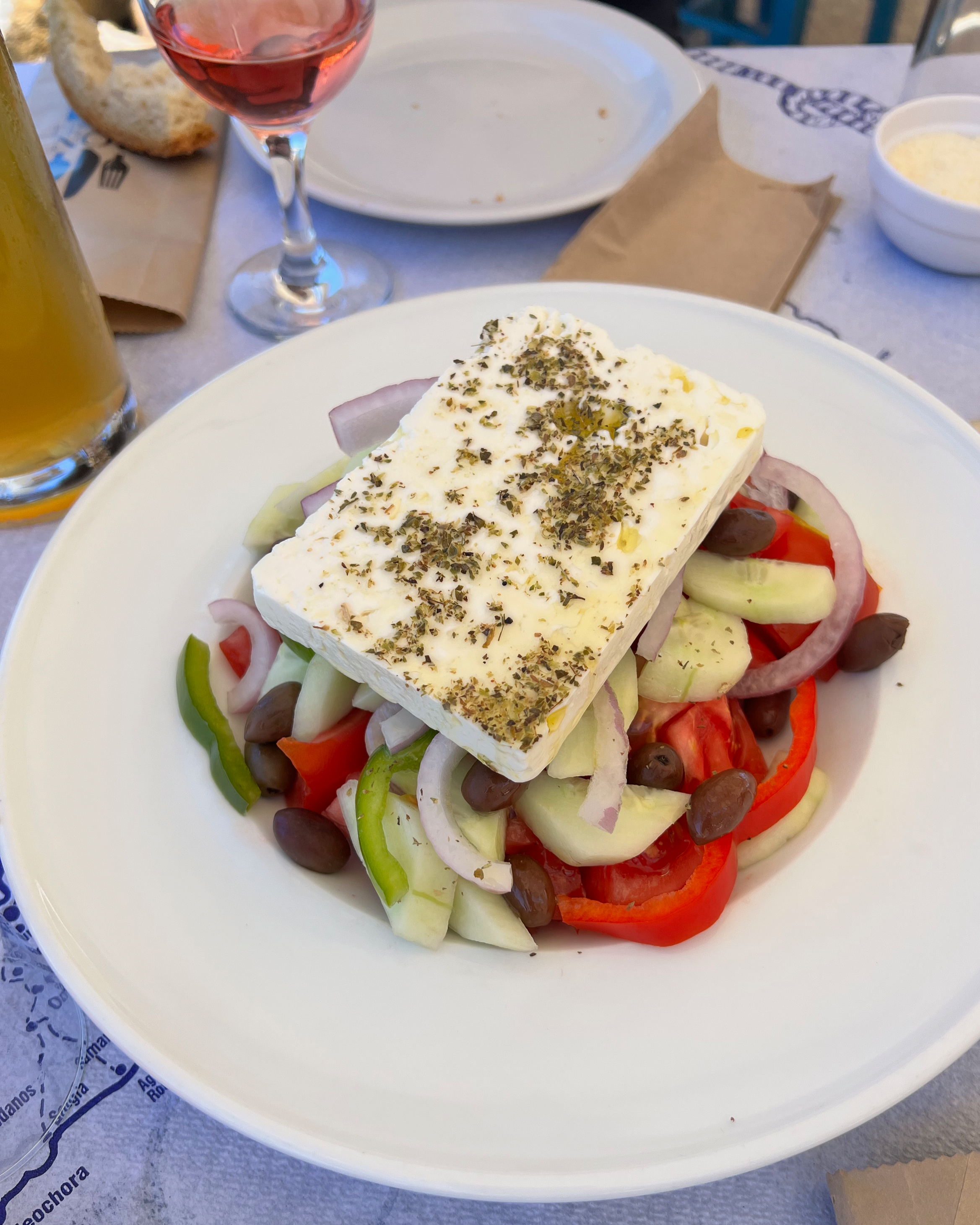
I still think about a Greek salad I had in Fira, Santorini. Brent and I were sitting at a little bar with a glass of wine, and out came this enormous salad with a slab of feta that practically covered the plate.
Nothing fancy. Just beautiful ingredients, done well.
It's one of those meals I've never forgotten.
A little history, a lot of heart
My love for Greek food actually started long before I ever visited Greece.
My grandparents and my dad grew up around Toronto's Danforth, the city's famous Greektown. We're Sicilian, but Greek food was part of the culinary world I grew up loving.
There's also a fascinating historical connection between Sicily and Greece, dating back to ancient Greek settlements on the island.
But actually travelling to Greece took that love to another level.
In 2016, Brent and I visited Santorini while we were engaged. We met a lovely couple from England who had a little daughter named Sienna. We spent an unforgettable evening together sailing around the caldera, swimming, listening to music, drinking wine and enjoying dinner on the water.
Brent and I had always loved the name Sienna.
Years later, we welcomed our daughter, Siena.
I still think it’s such a beautiful little connection to a place that means so much to us.

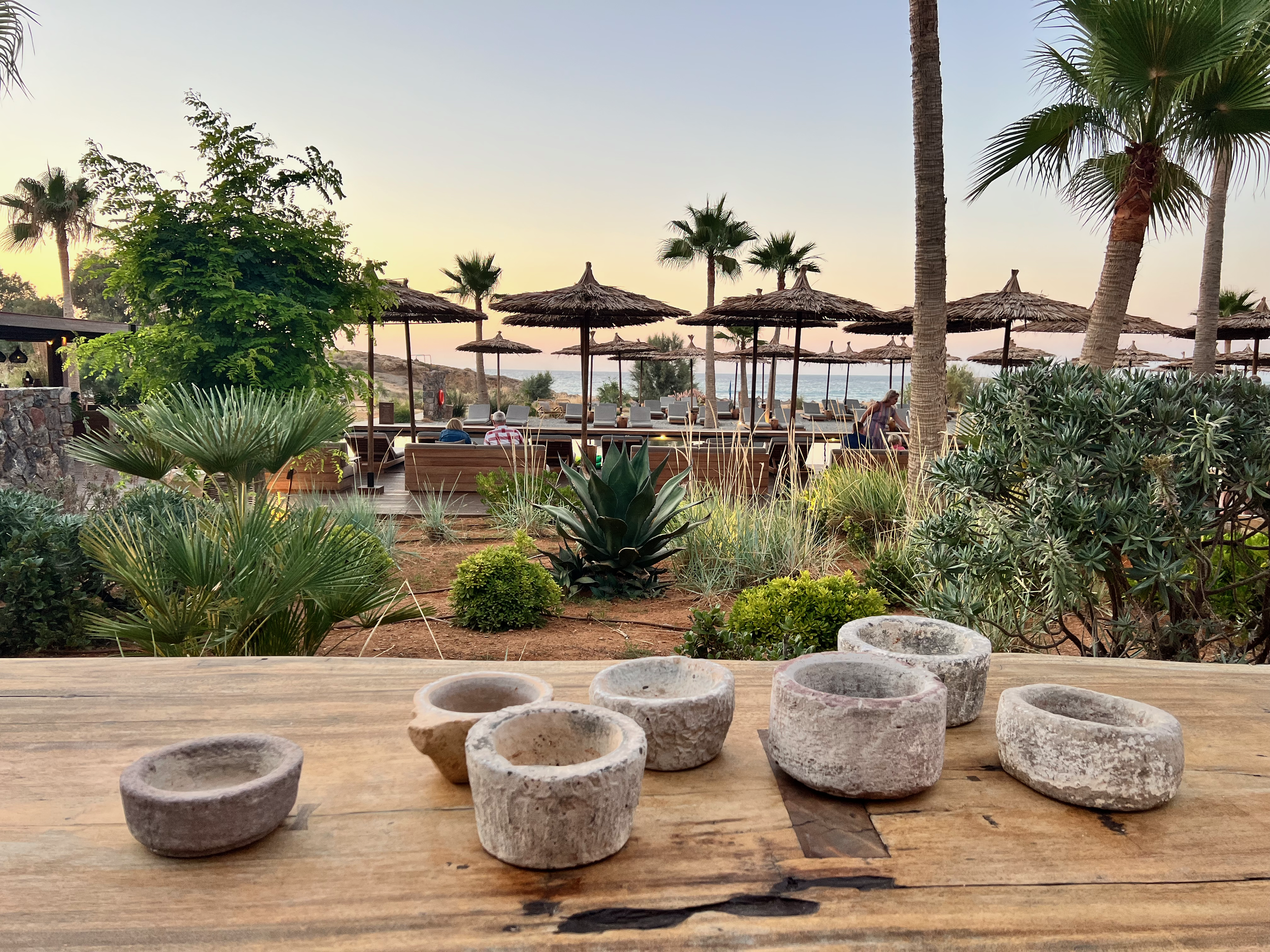
And while Santorini will always have a special place in my heart, Crete is the island that truly stole it.
I remember waking up early at our villa in Chania, quietly slipping outside while Brent and Siena were still asleep, and walking down to the outdoor gym as the sun came up.
The warm air, the quiet mornings, the sea.
Later, we’d wander through town, explore the markets and find somewhere along the waterfront to eat.
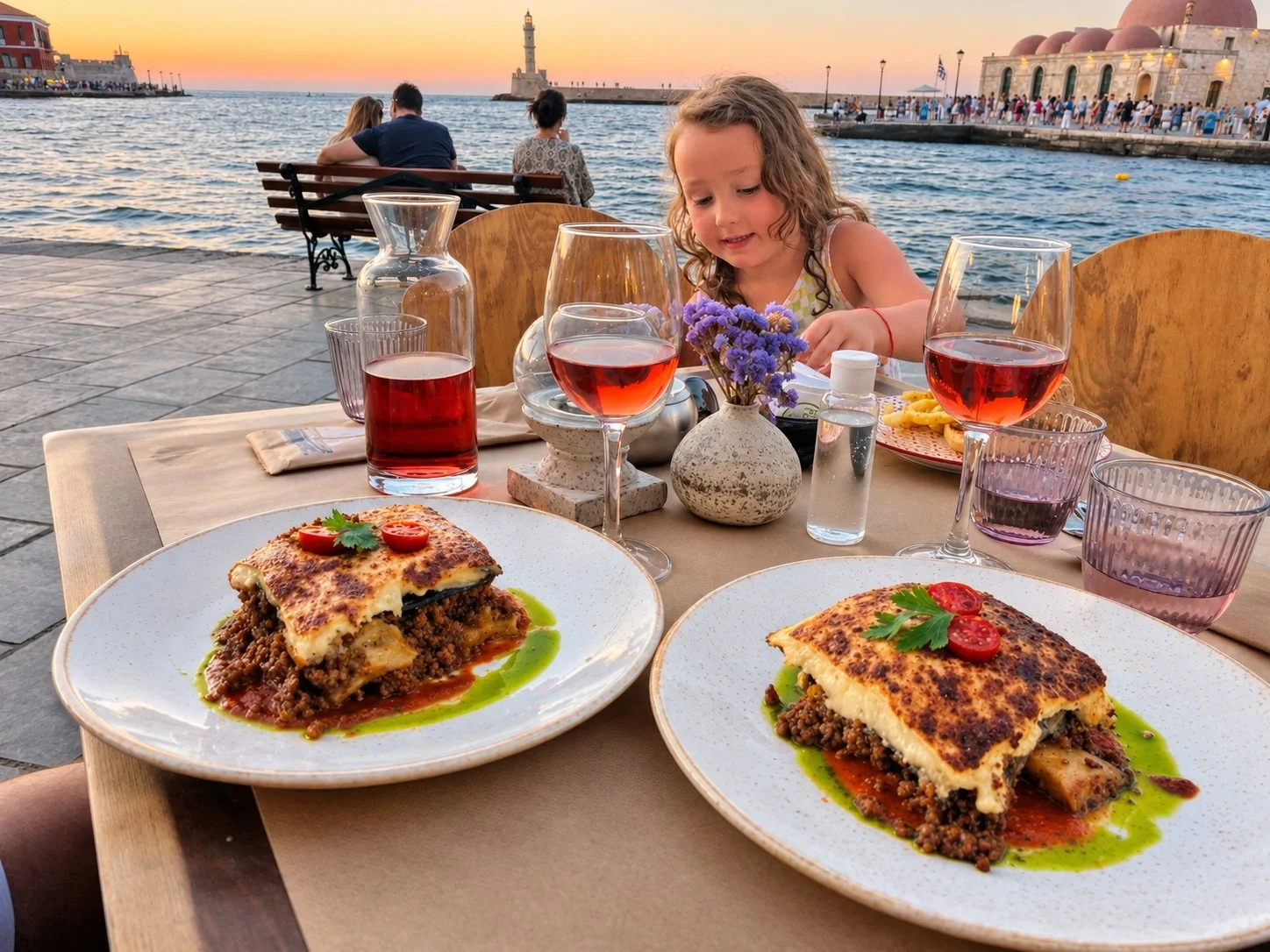
I celebrated my birthday in Chania with dinner beside the old harbour. And because I'll never turn down a good moussaka, you can probably guess what I ordered.
The older I get, the more I appreciate those simple moments.
And Greece has a way of reminding me how good they can be.
Five things the Greek way of eating gets right
There's a reason Mediterranean eating patterns continue to attract attention in nutrition research.
Greece is also home to Ikaria, one of the regions popularized as a Blue Zone for its historically long-lived population.
Ikaria is a separate island from the three that inspired these recipes. Some of the food traditions that show up in descriptions of Ikarian life also feel familiar from my own travels in Greece.
Plants take centre stage. Tomatoes, leafy greens, beans, lentils, chickpeas, herbs and seasonal vegetables are everyday ingredients. They provide fibre, vitamins, minerals and plant compounds.
Olive oil is a staple. Extra virgin olive oil provides heart-healthy monounsaturated fats and naturally occurring polyphenols. It's a wonderful example of how flavour and nutrition can work together.
Meals are meant to be enjoyed. Some of my favourite memories in Greece involve sitting around a table. A long lunch. A little seaside restaurant. An unexpected dessert brought out by the kitchen. That sense of hospitality and connection is something I've always loved.
Life follows the seasons. I've noticed that as I get older, I'm increasingly drawn to eating with the seasons. Choosing what's fresh, growing what I can, and appreciating ingredients when they're at their best.
Movement is part of everyday life. Walking through markets, exploring towns, swimming and spending time outdoors are all ways to make movement part of the day. And I love that. Movement doesn't always need to happen inside a gym.
01 | breakfast
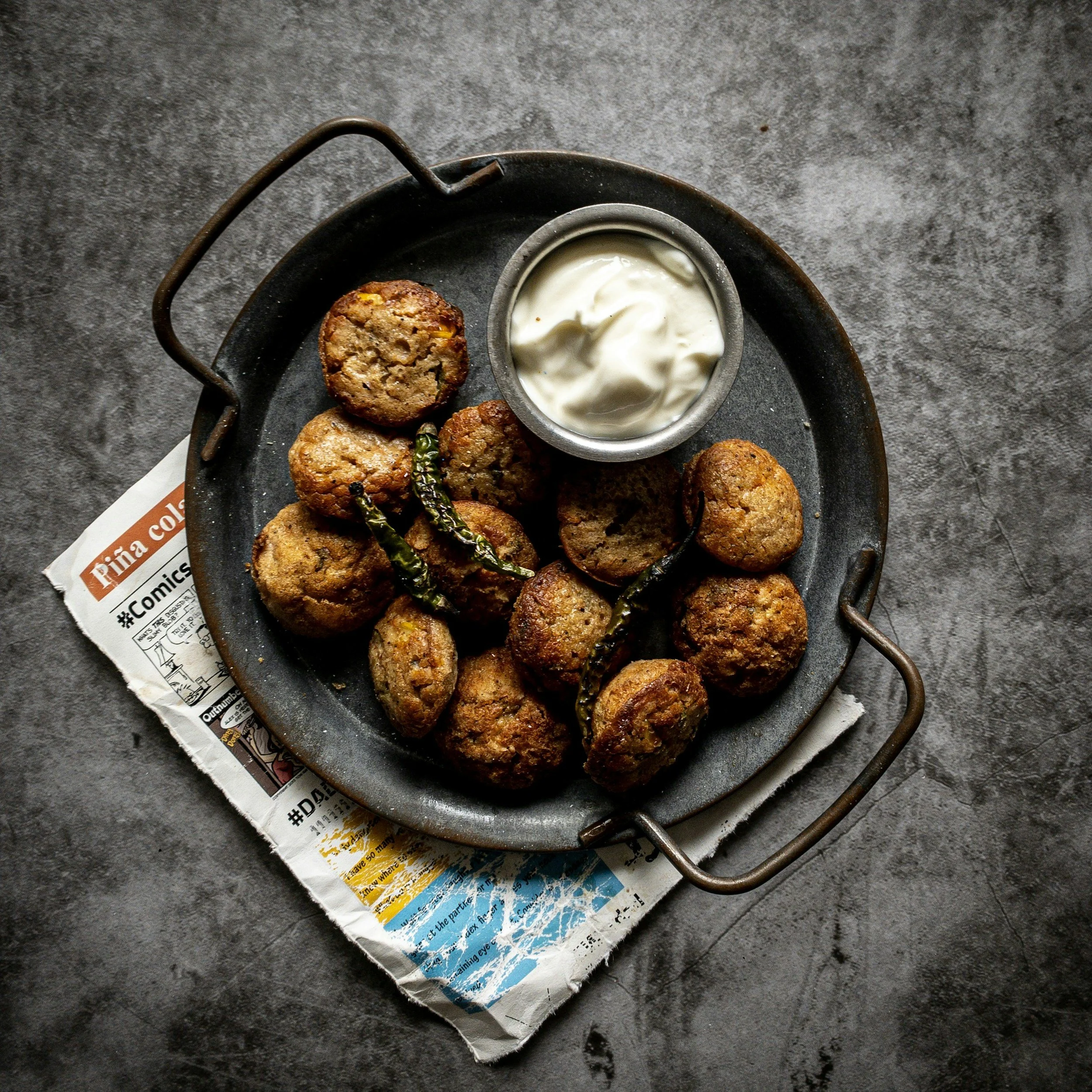
Santorini tomato fritters with whipped feta yogurt
Inspired by Santorini's famous domatokeftedes.
Santorini is known for its intensely flavoured tomatoes, traditionally grown in the island's volcanic soil. One of the island's signature dishes is domatokeftedes, little tomato fritters made with herbs and flour.
For this version, we're adding egg whites and serving them with a protein-rich whipped feta yogurt.
About 15 minutes | Serves 1 | 36 g protein
The 15-minute estimate assumes chopped, drained tomatoes. Allow about 20 minutes from whole tomatoes, or longer if the skillet needs a second batch.
ingredients
For the fritters
120 g ripe tomatoes, finely chopped and drained
65 g plain liquid egg whites
40 g certified gluten-free oat flour
1 tbsp finely chopped red onion
1 tbsp fresh parsley or mint
½ tsp dried Greek oregano
½ tsp gluten-free baking powder
Sea salt and black pepper
1 tsp extra virgin olive oil
For the whipped feta yogurt
170 g plain 0% Greek yogurt
25 g sheep's or goat's milk feta
1 tsp fresh lemon juice
Fresh dill or oregano
method
Finely chop the tomatoes and squeeze away excess liquid.
In a bowl, combine tomatoes, egg whites, flour, onion, herbs, baking powder and seasoning.
Heat the olive oil in a non-stick skillet over medium heat.
Spoon the thick batter into four small rounds in the skillet and flatten slightly. Cook about 3–4 minutes per side, flipping once the edges are set. Cook until golden and the centres reach 160°F (71°C).
Meanwhile, mash the feta into the Greek yogurt with lemon juice and herbs until creamy.
Serve the warm fritters with the whipped feta yogurt.
nutrition at a glance
About 430 calories · 36 g protein · 40 g carbs · 16 g fat
the wellness edit
Tomatoes provide vitamin C and lycopene, a carotenoid studied for its antioxidant properties. Cooking tomatoes with a little olive oil can help improve lycopene absorption.
The egg whites and Greek yogurt provide complete protein, making this a satisfying breakfast that supports muscle maintenance.
Amanda's note
I will never forget that enormous Greek salad in Santorini. The tomatoes, the feta, the olive oil. This recipe reminds me that when ingredients are good, you really don't need to do much to them.
02 | lunch
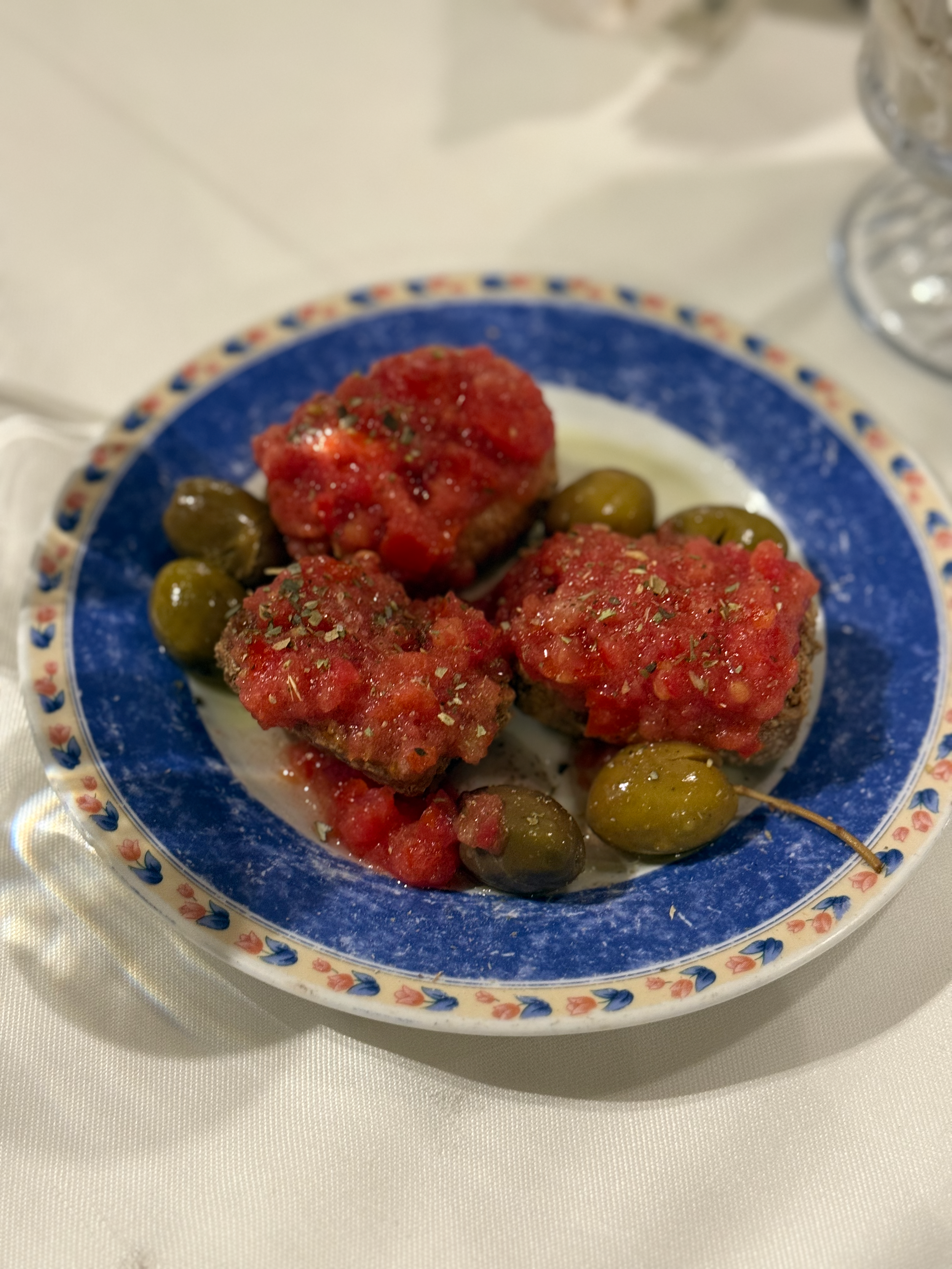
Cretan dakos with chickpeas and whipped feta
Inspired by traditional Cretan dakos.
Crete might be my favourite Greek island, and its food is a big reason why.
Dakos is a traditional Cretan dish made with barley rusks, ripe tomatoes, olive oil, oregano and soft cheese, often mizithra. It's simple, rustic and absolutely delicious.
I've added chickpeas and a whipped feta yogurt topping to make this a more substantial, protein-rich lunch.
About 10 minutes | Serves 1 | 32 g protein
The 10-minute estimate uses ready-made rusks. If using gluten-free sourdough, allow a few extra minutes to toast it until crisp.
ingredients
35 g labelled gluten-free rusks, or a 50 g slice of labelled gluten-free sourdough, toasted
60 g canned chickpeas, rinsed and drained
150 g ripe tomatoes, chopped or grated
210 g plain 0% Greek yogurt
25 g sheep's or goat's milk feta
¾ tsp extra virgin olive oil
½ tsp dried Greek oregano
1 tsp fresh lemon juice
Fresh parsley
Black pepper
method
Sprinkle the gluten-free rusks with a little water if they are very hard. If using toast, leave it dry so it can soak up the tomato juices.
Combine the Greek yogurt, crumbled feta and lemon juice, mixing until creamy.
Toss the chickpeas with the tomatoes, olive oil, oregano and black pepper.
Spoon the tomato and chickpea mixture over the rusks or toast.
Add the whipped feta yogurt and finish with parsley and a little extra oregano.
nutrition at a glance
About 465 calories · 32 g protein · 51 g carbs · 14 g fat
the wellness edit
Chickpeas provide plant protein and fibre, which help support digestive health, satiety and healthy cholesterol levels.
The chickpeas and Greek yogurt make this a more substantial lunch. The fibre content of gluten-free rusks or toast varies by brand.
Amanda's note
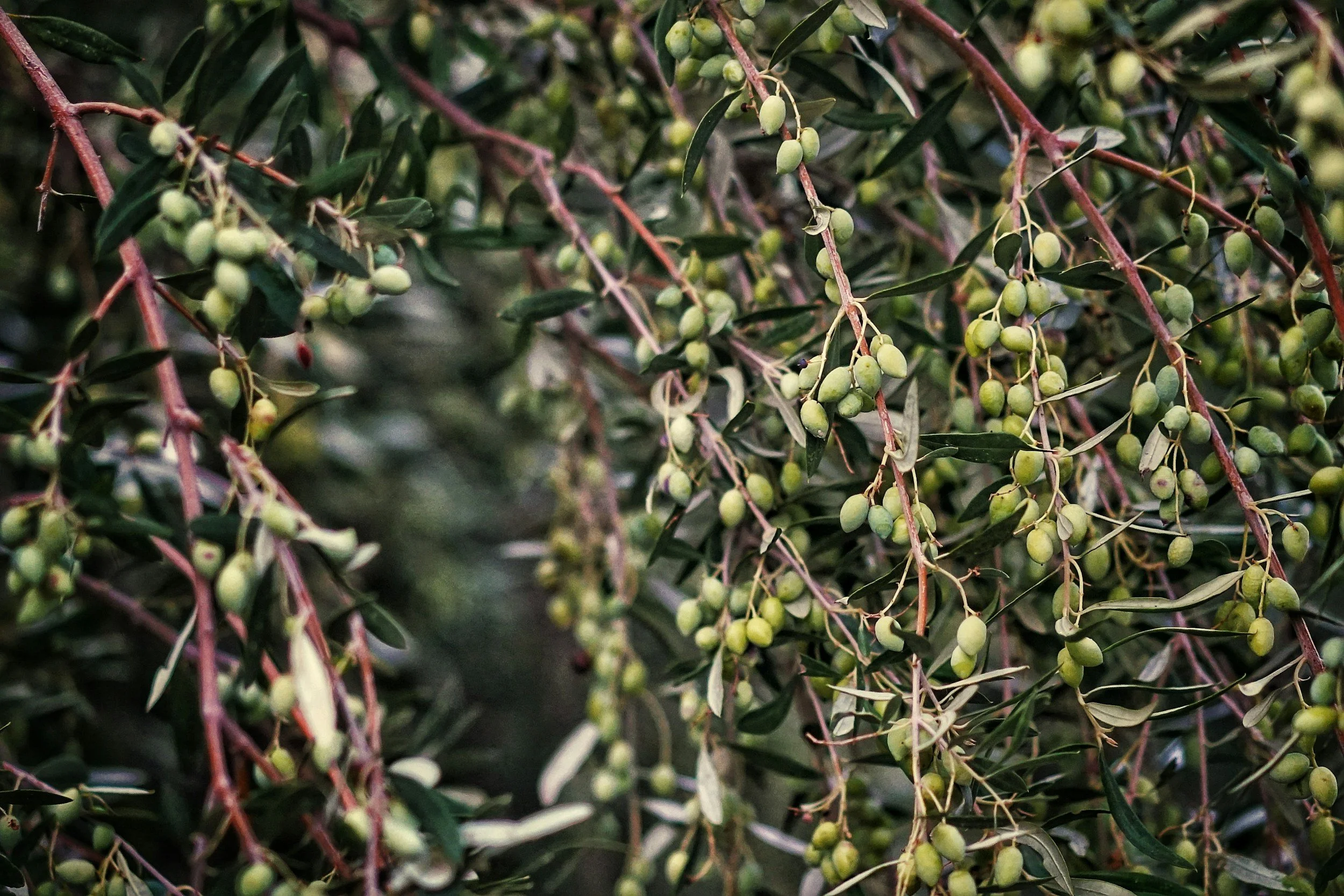
One of my favourite experiences in Crete was visiting an organic olive oil farm.
I loved learning about the history of olive oil production and how many families grow their own olives and produce enough oil to last throughout the year.
Olive oil isn't just something they cook with. It's woven into their traditions and everyday lives.
And that really stayed with me.
03 | dinner
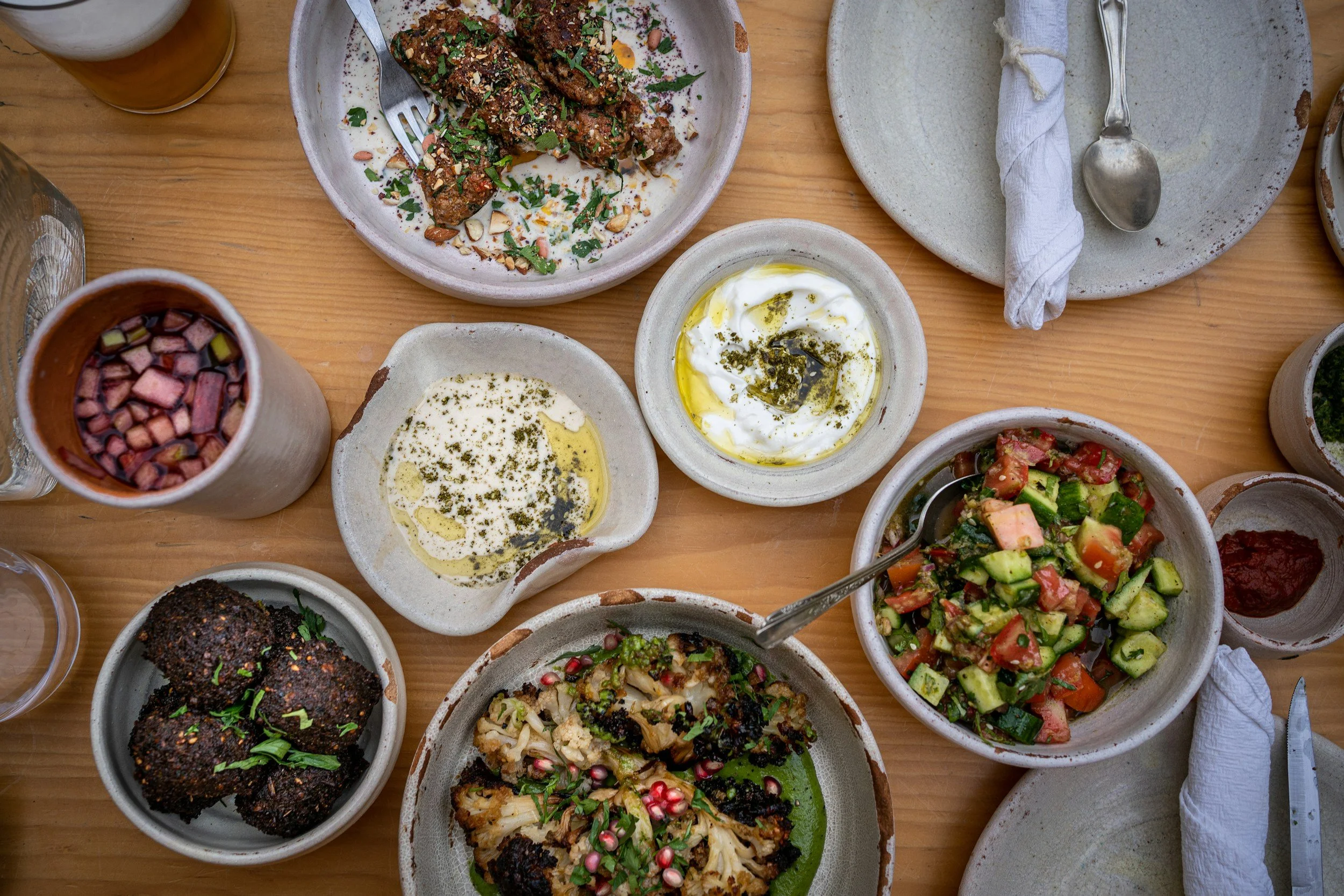
Rhodes chickpea fritters with lemon tzatziki and Greek salad
Inspired by Rhodes' traditional pitaroudia.
Rhodes is another island I absolutely loved. One of its traditional dishes is pitaroudia, savoury fritters commonly made with chickpeas, onions and herbs.
This is my quick weekday adaptation, using canned chickpeas and a hot skillet to get dinner on the table quickly. Served with fresh tzatziki and a little Greek salad, it's a beautiful plant-forward dinner.
About 15 minutes | Serves 1 | 37 g protein
ingredients
For the fritters
100 g canned chickpeas, rinsed and drained
40 g plain liquid egg whites
20 g labelled gluten-free chickpea flour
1 tbsp finely chopped red onion
1 tbsp fresh parsley
½ tsp dried Greek oregano
½ tsp gluten-free baking powder
Black pepper
1 tsp extra virgin olive oil
For the tzatziki
170 g plain 0% Greek yogurt
40 g grated cucumber, squeezed dry
1 tsp fresh lemon juice
Fresh dill
½ small garlic clove, grated
For the salad
100 g chopped tomatoes
60 g cucumber
20 g sheep's or goat's milk feta
Fresh oregano
Lemon juice
method
Mash the chickpeas thoroughly with a fork.
Mix with the egg whites, flour, onion, parsley, oregano, baking powder and pepper.
Heat the oil in a large non-stick skillet over medium heat. Scoop the mixture into four small rounds and flatten slightly. Cook about 4 minutes per side, until golden and the centres reach 160°F (71°C).
Meanwhile, combine Greek yogurt, cucumber, lemon, garlic and dill to make the tzatziki.
Toss the tomatoes and cucumber with lemon juice, oregano and crumbled feta.
Serve the fritters with the tzatziki and Greek salad.
nutrition at a glance
About 465 calories · 37 g protein · 49 g carbs · 13 g fat
the wellness edit
Chickpeas provide fibre, plant protein, folate and minerals, while the Greek yogurt and egg whites add protein to support muscle maintenance.
Using herbs, garlic and lemon adds flavour without needing a complicated sauce.
Amanda's note
One of the things I love about travelling through the Greek islands is how often food comes with a little something extra.
Honey dripping straight from the comb at breakfast. Fresh fruit. A small dessert brought out by the kitchen. Sometimes a little glass of raki, especially in Crete.
There's such a lovely sense of hospitality around food. And it's something I've never forgotten.
The wellness edit on extra virgin olive oil
If there's one ingredient I associate with Greece, besides feta, it's olive oil.
Visiting that organic olive oil farm in Crete made me appreciate just how important it is to the country's food culture. And from a nutrition perspective, there's plenty to love.
Heart health. Extra virgin olive oil is rich in monounsaturated fats. Replacing some saturated fats with unsaturated fats can help lower LDL cholesterol, an important cardiovascular risk factor.
Antioxidant compounds. Extra virgin olive oil contains polyphenols, including hydroxytyrosol and oleocanthal, which are being studied for their antioxidant and anti-inflammatory effects.
Brain health. An observational study linked higher olive oil consumption with a lower risk of dementia-related mortality. The finding is an association.
Blood sugar and metabolic health. Mediterranean dietary patterns that include olive oil have been associated with improvements in several markers of metabolic health.
Healthy ageing. Olive oil is one part of a larger Mediterranean eating pattern that includes vegetables, legumes, whole grains, nuts, fish and other minimally processed foods. In the Spanish PREDIMED trial, a Mediterranean diet supplemented with extra virgin olive oil was linked to fewer major cardiovascular events among adults at high cardiovascular risk.
Amanda's tip. Choose extra virgin olive oil when you can, store it away from heat and direct sunlight, and use it regularly in cooking, dressings and simple meals. A little goes a long way for flavour.
The Blue Zones connection and what Ikaria can teach us
When we talk about Greece and longevity, we have to talk about Ikaria.
This Greek island has become internationally known for its unusually high concentration of older residents and its place in the Blue Zones conversation.
Traditional Ikarian food patterns emphasize vegetables, legumes, olive oil, herbs, potatoes, whole grains and other plant foods.
Physical activity, social connection, daily routines, rest and a sense of community are also important parts of the picture. Researchers continue to examine which habits and circumstances might contribute to long life in places like Ikaria.
Still, I think there's something valuable in looking at how food fits into the bigger picture of health. Because sometimes the simplest habits are the ones we can actually maintain.
A little less complicated
Travelling to Greece didn't necessarily change the way I eat, but it deepened something I've always believed.
I think we've made food far more complicated than it needs to be.
The older I get, the more I appreciate eating with the seasons, choosing ingredients that are naturally available and letting good food be simple.
We have this incredible abundance of whole foods available to us. Beautiful tomatoes, fresh herbs, olives, fruit, vegetables, legumes and fish. Ingredients that don't need much done to them to become something wonderful.
And yet, somewhere along the way, we've become so focused on reinventing food that we've forgotten how good the simplest things can be.
Greece reminds me to take the path of least resistance with food. Start with what's fresh. Use what's in season. Let the ingredients speak for themselves.
Convenience foods have a place in my kitchen too. Canned chickpeas are what make two of these meals possible on a busy day. I build most of my meals around whole and minimally processed ingredients when I can.
And perhaps that's one of the things I love most about Greek food. It doesn't try too hard. It doesn't need to.
If I could bring one thing about Greece back to Canada, it would be the lifestyle.
Well, the weather first, obviously.
I love the climate and how much you can grow there. But beyond that, it's the simplicity. Fresh food, time outside, long meals and a little less rushing around.
I've been to Greece three times, and I know I'll go back again.
Maybe next time it'll be September, with warmer water, a little less of the summer rush, and Siena beside us as we revisit the island where her name became part of our story.
Until then, I'll be in my kitchen with tomatoes, Greek oregano, olive oil and an unreasonable amount of feta.
Amanda Normore
nutrition for a life in motion.
